29 October 2026
When Winter Feels Heavier
It's more than the winter blues. As the clocks go back, many of us feel our mood dip. Learn about S.A.D., its signs, and how to rebuild from within this winter.
Understanding S.A.D.
The nights have drawn in. The light has gone. And for some of us, so has our spark.
If you’ve felt your mood dip since October, you’re not imagining it and you’re definitely not alone. Every year, around 6% of UK adults experience Seasonal Affective Disorder, or S.A.D. - a form of depression with a seasonal pattern that usually starts in October/November and lifts around March/April. Another 15-20% experience the winter blues on that spectrum - lower energy, more sleep, craving carbs, withdrawing a bit.
At Black Sheep Wellbeing, we talk a lot about rebuilding from within. S.A.D. is a perfect example of why that work matters, and why it’s harder when the world goes dark at 4pm.
Battles may be won however the work never stops. Mental health needs to be a priority.
What is S.A.D. really?
S.A.D. isn’t just “hating winter.” It’s a recognised subtype of depression where symptoms follow the seasons.
The NHS describes it simply: depression that happens in winter and goes away in summer.
It’s thought to be linked to reduced daylight. Less sunlight can disrupt three things that keep us steady:
- Your body clock (circadian rhythm) - sunlight tells us when to wake and sleep
- Serotonin - the brain chemical that helps regulate mood
- Melatonin - the hormone that controls sleepiness
When all three get knocked off, you feel it.
How it can show up
Winter-pattern S.A.D. is different to summer depression. It tends to be:
- low mood most of the day, most days
- feeling lethargic, heavy, no energy
- sleeping longer but still feeling tired
- losing pleasure in things you usually enjoy
- overeating, especially craving carbs and sweet foods, weight gain
- feeling irritable, anxious, or like you want to withdraw from people
It’s more than feeling cosy and wanting to stay in. It’s when those feelings persist for weeks and start affecting work, relationships and daily life.
Why the black sheep feels it more
If you’ve always felt like you process things a bit deeper, seasons hit deeper too. Many of the clients we work with are sensitive, self-aware, rebuilding. When the light drops, there’s less external distraction, so internal stuff gets louder.
That doesn’t make you weak. It makes you attuned. And attuned people need a proper winter toolkit, not just “cheer up.”
5 things that actually help - from our shed in Hemsworth
This isn’t medical advice, it’s what we see work for our community both in-person in WF9 and online UK-wide:
1. Chase light like it’s your job. Get outside within 2 hours of waking, even on grey days. 20-30 minutes of daylight is more powerful than any lightbulb. If you work indoors, move your morning brew by a window. Light therapy lamps can help some people too - the NHS lists them as one option alongside talking therapies.
2. Keep your clock honest. Same wake time, same wind-down time. Your body clock loves boring. Limit doom-scrolling after 9pm, and get that melatonin doing its proper job.
3. Move and feed for energy, not punishment. You don’t need a 5k in the dark. Walk, stretch, resistance bands, farm walks, whatever gets blood moving. And with food - protein and regular meals help those carb crashes. That craving for sugar is your brain asking for serotonin, give it something steadier.
4. Rebuild connection before you withdraw. S.A.D. tells you to isolate. Do the opposite, but gently. Message one person. Book one thing in. Come for a check-in. Our whole ethos is It’s okay to not be okay - Let’s talk. You don’t have to sit with it alone.
5. Track it, don’t judge it. Write down for a week: sleep, light, mood (1-10), what you ate, who you saw. Patterns show up fast. That’s data for you, and for your GP or therapist if you need extra support.
When to get extra support
If your low mood lasts more than 2 weeks, you’re struggling to function day-to-day, or you have thoughts that you’d be better off not being here - please reach out now.
- Talk to your GP
- Talk to us at Black Sheep Wellbeing - blacksheepwellbeing.com
- Call Samaritans 116 123 or text SHOUT to 85258
Talking therapy like CBT is recommended by the NHS for S.A.D. for a reason. It helps you reframe those winter thoughts and build a plan that sticks.
A final word from Ken
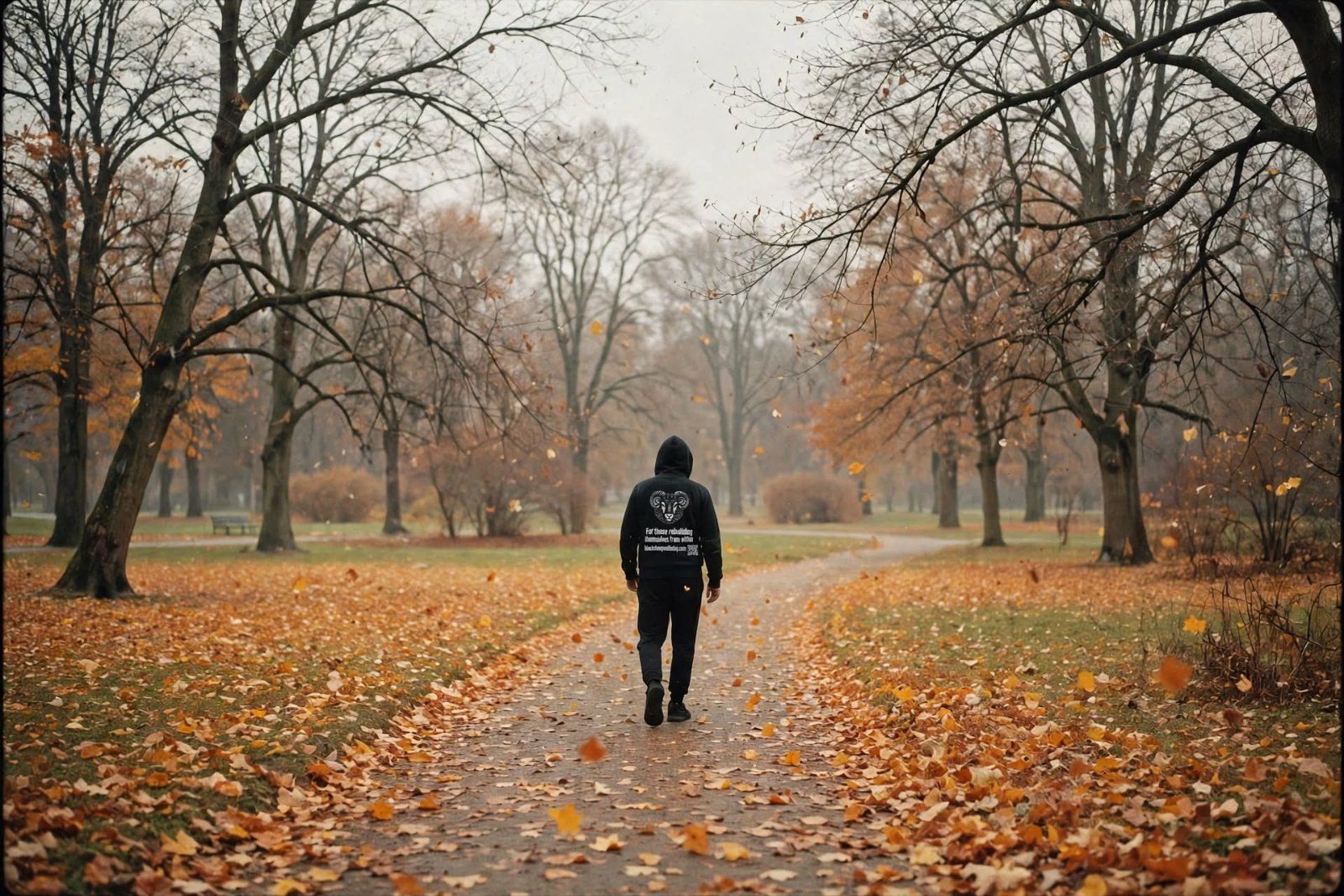
I made those black ram hoodies for a reason - For those rebuilding themselves from within. Winter is part of that rebuild. Some battles are won in summer, some are just held steady in winter. Both count.
If this blog hit home, share it with someone who goes quiet this time of year. And if you want to talk about your own winter plan, my door is open in Hemsworth and online.
It’s okay to not be okay. Let’s talk.
Ken | Black Sheep Wellbeing Website: blacksheepwellbeing.com Instagram: blacksheepwellbeing Based: Hemsworth WF9 4 - Online UK-wide Services: 1:1 wellbeing support, peer support, community projects
Disclaimer: This blog is for information and support only and is not a substitute for professional medical advice. If you are concerned about S.A.D. or depression, please speak to your GP or a qualified mental health professional.